The origins
THE SEED OF
A NATION
In the shadows of the Himalayas, a vision was born. Prithvi Narayan Shah dreamed not of a throne, but of a united Nepal.



🧵FABRICS & TECH
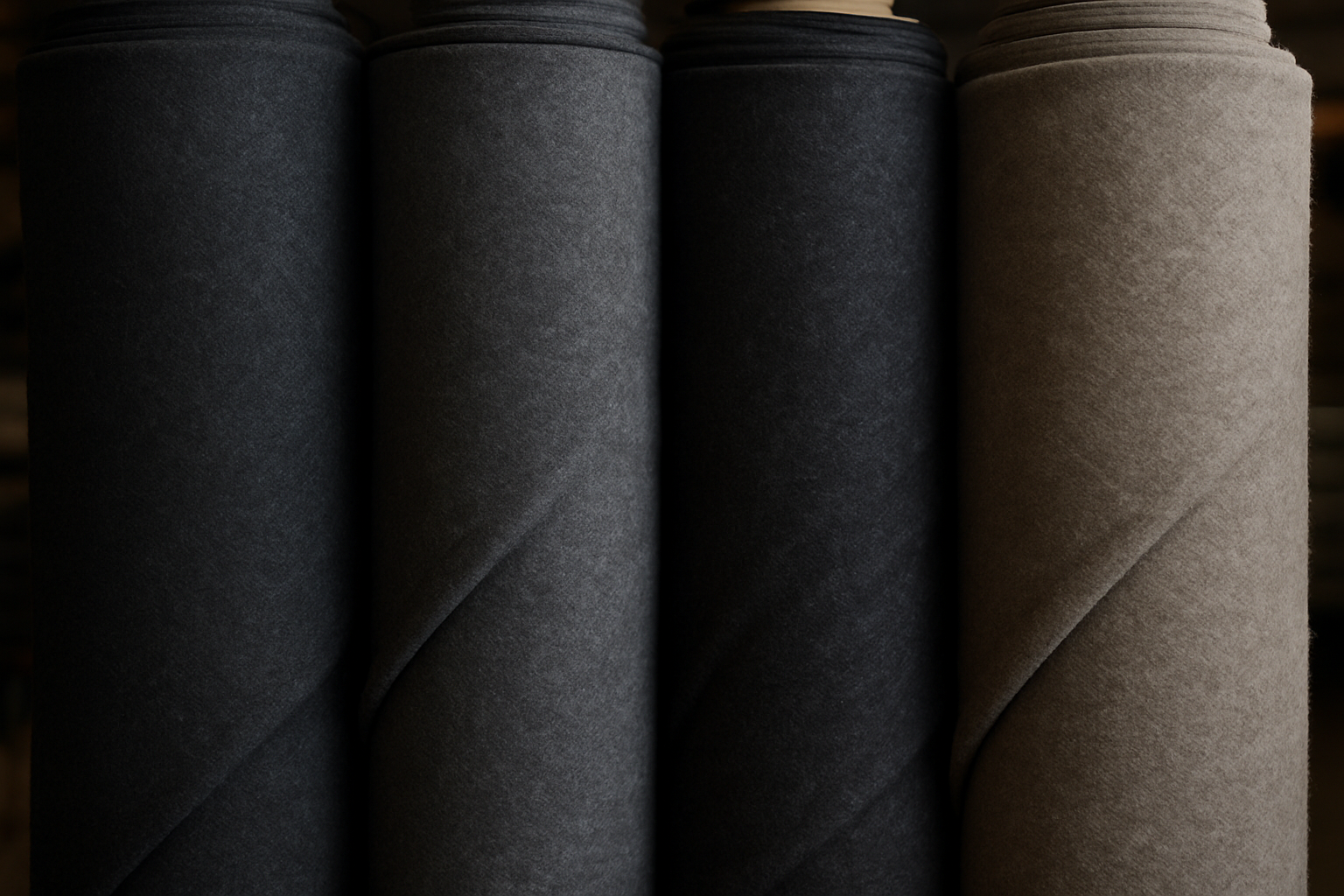
Every fabric is engineered for performance, comfort, and longevity. We fuse traditional craftsmanship with modern textile innovation — from heavyweight French terry and premium combed cotton to technical blends designed for durability and mobility.
🏅 THE LEGACY CLUB
Built for the Loyal. Earned by the Brave. The Legacy Club is our way of honoring loyalty — each rank represents commitment, pride, and legacy. From free shipping to exclusive drops and lifetime perks, every step forward takes you deeper into the world of Being Gurkha.
JOIN THE MOVEMENT
👑 INFLUENCER'S HUB
A creative space designed for you to join, contribute, and grow with our brand’s journey. As a member, your voice will shape the community, and you’ll also earn a percentage of the sales you help drive. It’s your community — built on your commitment, representing our values, authenticity, and products with pride.
THE LEGACY CLUB

SIGN IN OR REGISTER TO TRACK YOUR LEGACY CLUB JOURNEY

 ONE STEP, THEN ANOTHER
PINNED TRACK
--:--
ONE STEP, THEN ANOTHER
PINNED TRACK
--:--
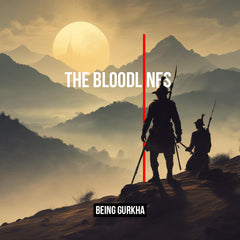 THE BLOODLINES
TAP TO PLAY • SET DEFAULT
--:--
THE BLOODLINES
TAP TO PLAY • SET DEFAULT
--:--
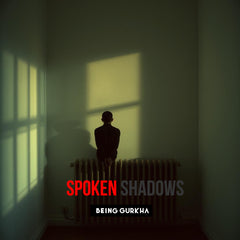 SPOKEN SHADOWS
TAP TO PLAY • SET DEFAULT
--:--
SPOKEN SHADOWS
TAP TO PLAY • SET DEFAULT
--:--
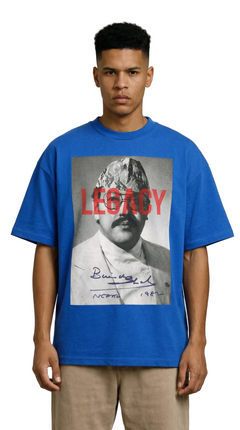 LEGACY SERIES: DROP 02
Our drop 02 is scheduled to release in a month. make sure you signup for eaerly access.
Our Drop 02 releases in one month.
Early access is reserved for our community—those who move first, lead first.
Sign up now to unlock priority entry before the public launch.
Be early, or be late.
LEGACY SERIES: DROP 02
Our drop 02 is scheduled to release in a month. make sure you signup for eaerly access.
Our Drop 02 releases in one month.
Early access is reserved for our community—those who move first, lead first.
Sign up now to unlock priority entry before the public launch.
Be early, or be late.
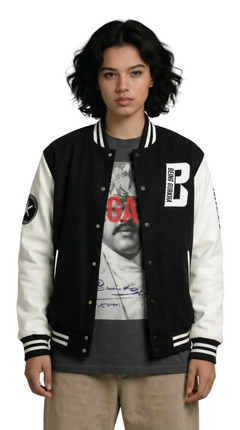 LEGACY * VARSITY JACKET
Our 6 years of relentless pursuit of perfection is almost here.
Six years of relentless pursuit. Of refining every stitch, every cut, every detail—until nothing felt unfinished.
What started as a vision is now a legacy you can wear.
LEGACY * VARSITY JACKET
Our 6 years of relentless pursuit of perfection is almost here.
Six years of relentless pursuit. Of refining every stitch, every cut, every detail—until nothing felt unfinished.
What started as a vision is now a legacy you can wear.
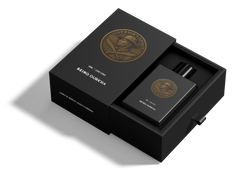 OUR PERFUME RANGE
CHECK OUR LATEST PERFUME RANGE IN LEGACY SERIES COLLECTION.
OUR PERFUME RANGE
CHECK OUR LATEST PERFUME RANGE IN LEGACY SERIES COLLECTION.
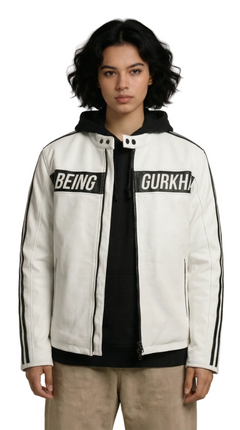 THE 01 RACER LEATHER JACKET
OUR LATEST WORK WHICH WE JUST FINISHED FINAL SAMPLE IS READY FOR BULK.
THE 01 RACER LEATHER JACKET
OUR LATEST WORK WHICH WE JUST FINISHED FINAL SAMPLE IS READY FOR BULK.
Cart
Detecting location…
Your cart is Empty. Let's get you Something.

MAKING A DIFFERENCE TOGETHER
30% of this order will be donated to the Prime Minister Disaster Relief Fund to support those affected by the Nepal floods.

BETTER TO DIE
THAN LIVE
A COWARD.GURKHA WARRIOR'S CREED

One origin. Two spellings. The same soul.
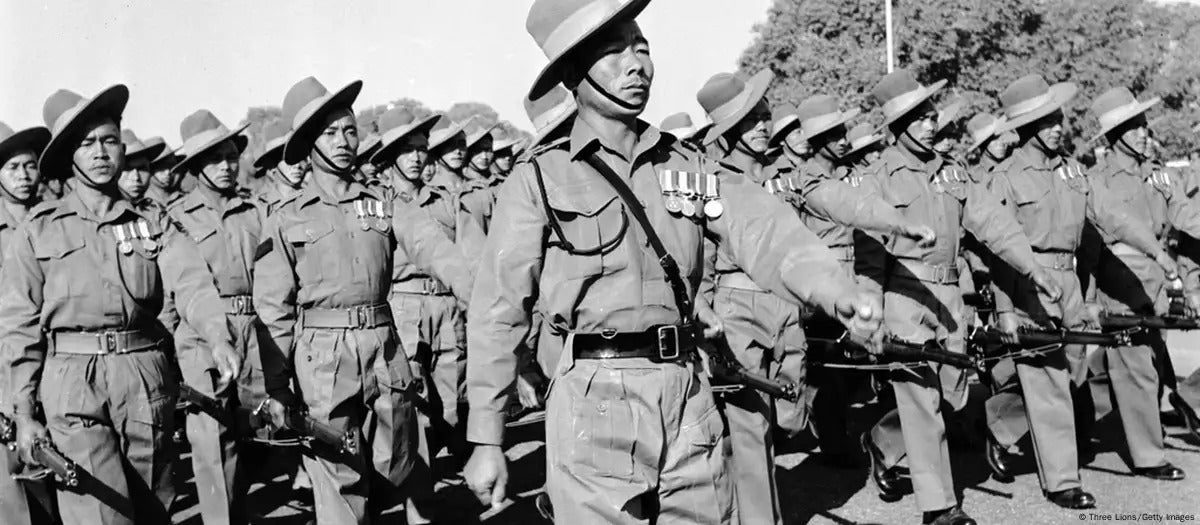
In the heart of the Himalayas lies a small hill town called Gorkha — the birthplace of Nepal’s unification. From this soil rose King Prithvi Narayan Shah, who dreamed of one nation. His army, the Gorkhalis, were mountain men shaped by discipline, loyalty, and pride.
When the British East India Company invaded Nepal during the Anglo-Nepalese War of 1814–1816, they came face to face with the Gorkhalis. Outnumbered, surrounded, and wounded, they refused to surrender. Their courage left such an impression that after peace, the British began recruiting these same warriors into their own ranks.
In British records, Gorkha was written as Gurkha. The changed spelling spread through maps, uniforms, regiments, and history books. What began as a foreign rendering became an identity known around the world.

Today, Gurkha has become synonymous with bravery, loyalty, resilience, and service. Yet behind the global name remains its origin: Gorkha.
When building this brand, we faced the same question. We explored Gorkha Apparel, Gorkha Wear, and Being Gorkha. But the world already recognised the story through the word Gurkha. We chose Being Gurkha to carry both — the truth of Gorkha and the recognition of Gurkha.
Behind every Gurkha, there was once a Gorkha. Behind every name, there is a story worth telling.
Gorkha is the source — a place, a beginning, and a truth rooted in Nepal’s soil and history.
Gurkha became the world’s spelling — carried across regiments and repeated until it became a universal symbol of bravery.
The name holds both the truth of Gorkha and the recognition of Gurkha. It welcomes the world, then teaches the story.


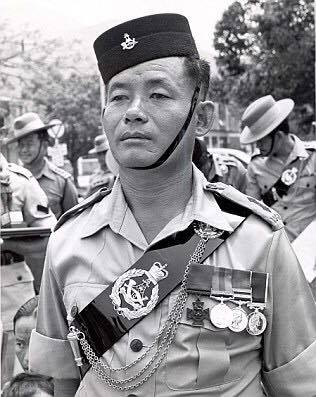
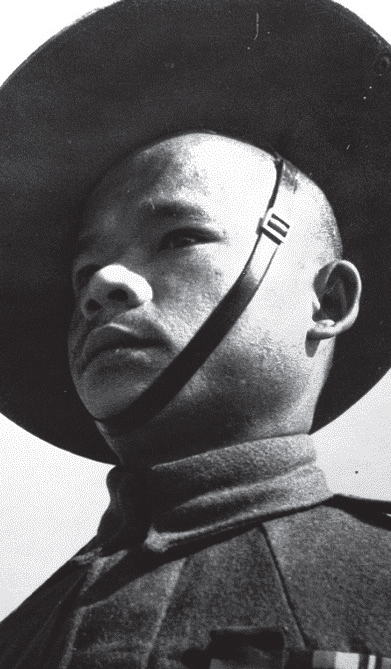
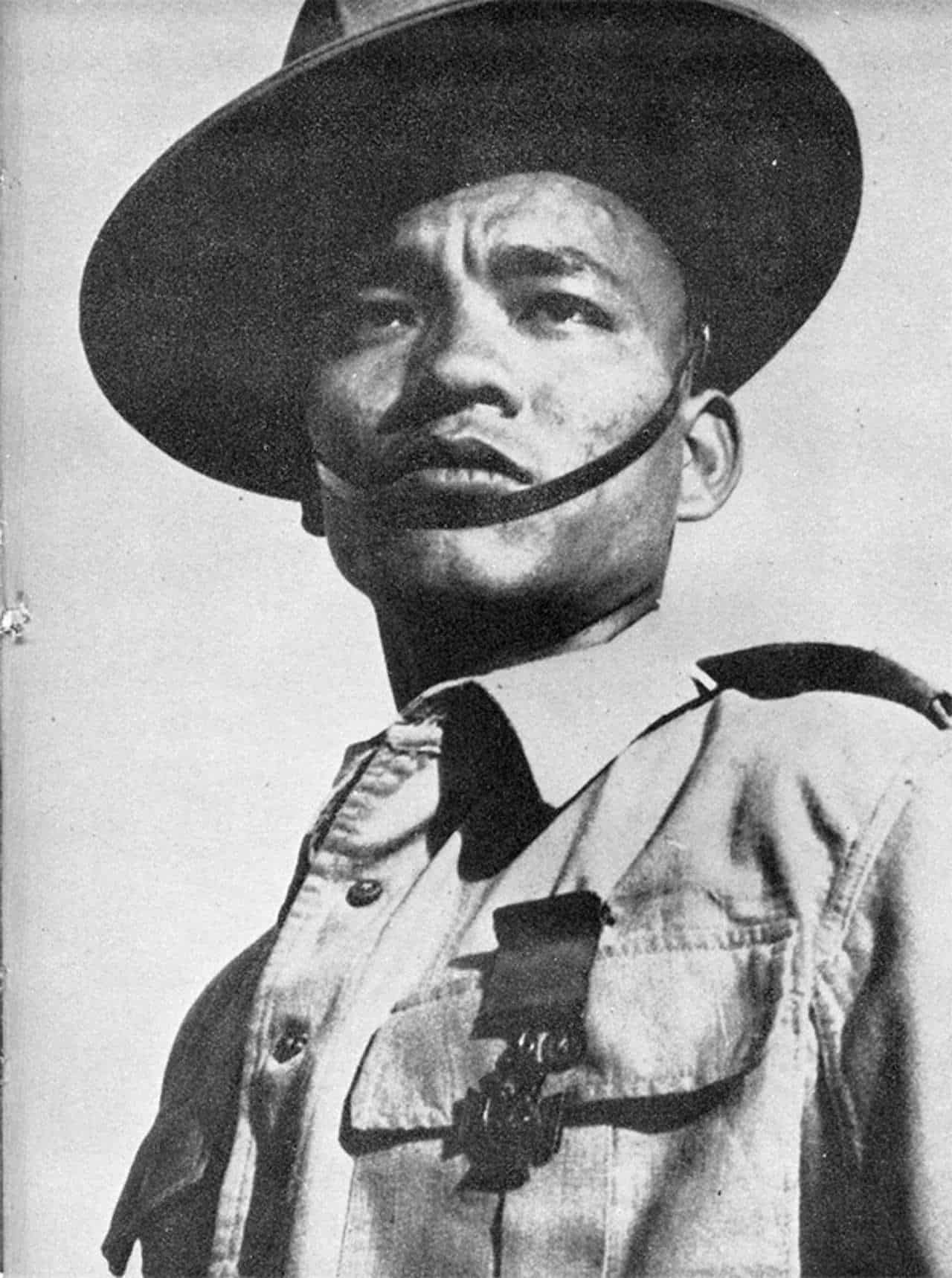
The Victoria Cross is the highest award for gallantry in the presence of the enemy. It honours acts of exceptional courage performed under the most dangerous circumstances.
These Gurkha recipients are remembered for courage under fire, loyalty to their comrades, and actions that carried the Gurkha name into history.