


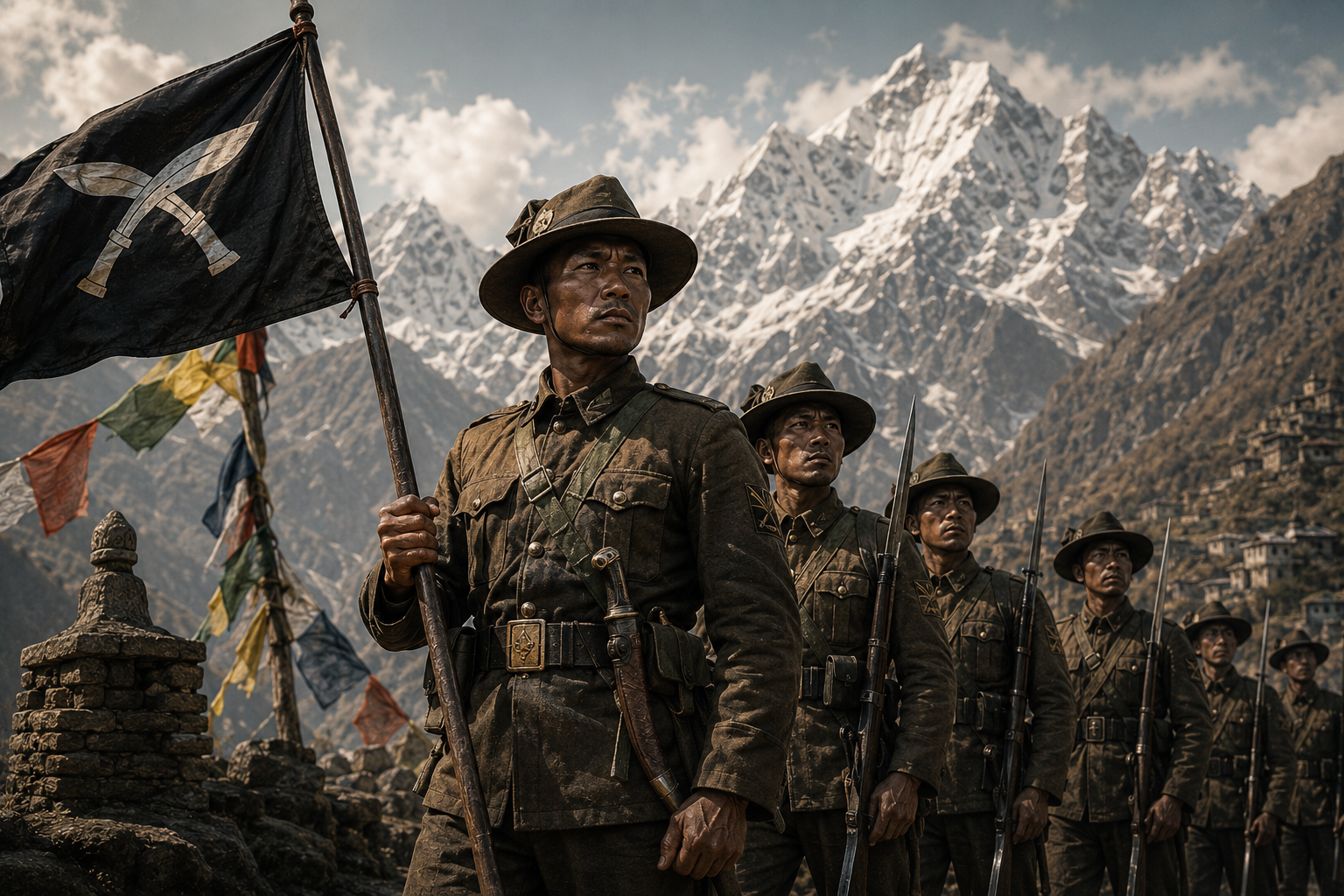
Gurkha Soldiers: The History Every Streetwear Fan Needs to Know
If you've heard the name Gurkha and thought it was just a clothing brand, a type of trouser, or a word that sounded cool — this post is for you.
Because behind the name is one of the most extraordinary military histories on earth. And if you're going to wear it, you should know what it means.
Who Were the Gurkhas?
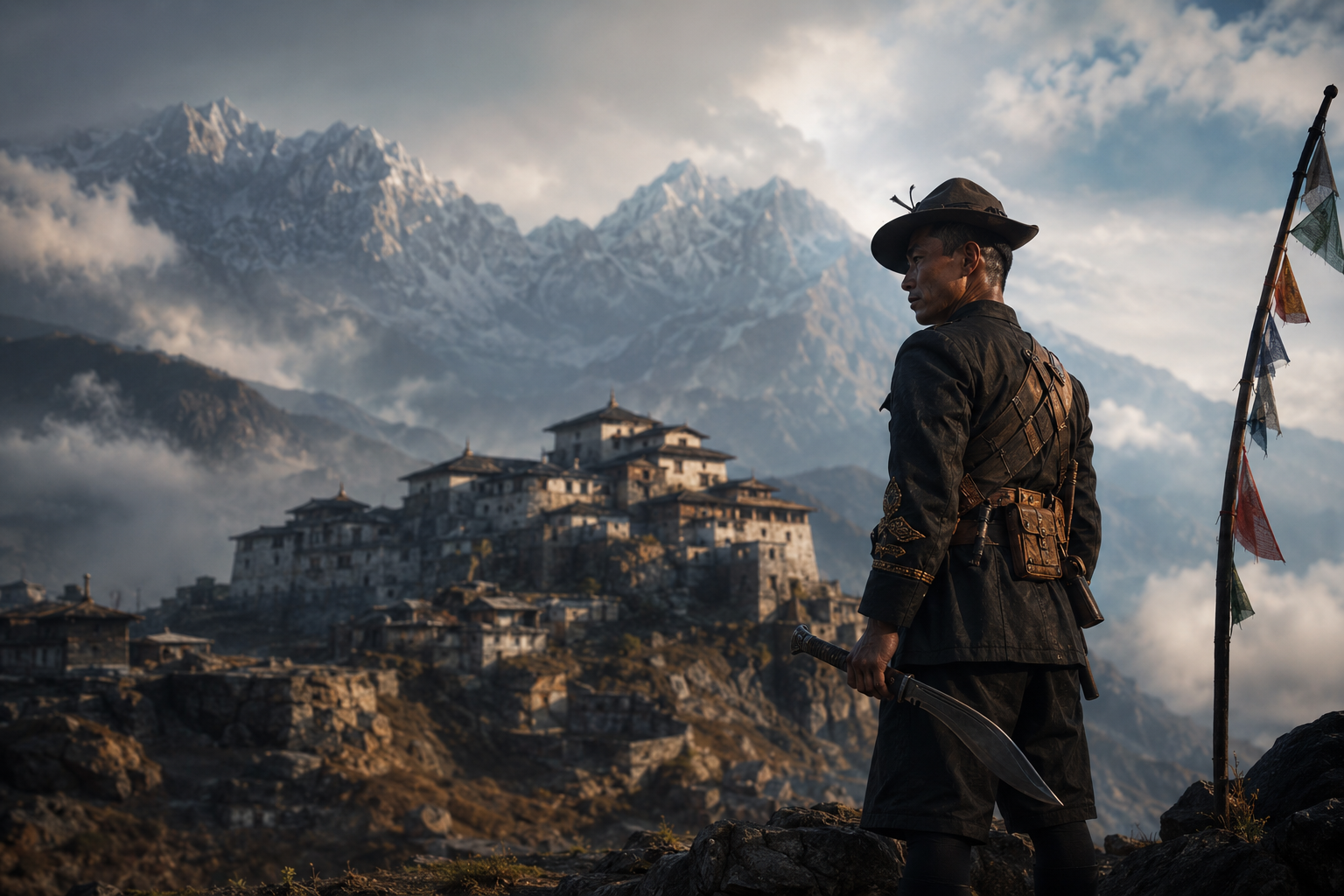
The Gurkhas were soldiers recruited from the hill tribes of Nepal — primarily from ethnic groups including the Magar, Gurung, Rai, and Limbu peoples. They weren't a professional army by origin. They were mountain people, shaped by altitude and hardship into something the lowland empires had never encountered before.
Their home was the Kingdom of Gorkha — a small but aggressive state in the hills of central Nepal that, by the late 1700s, had unified most of the Himalayan hill region into what we now call Nepal.
The name "Gurkha" is the British anglicisation of "Gorkhali" — a person from Gorkha. The spelling changed. The meaning didn't.
The Anglo-Nepalese War (1814–1816)
The British East India Company had been expanding northward for decades. By 1814, they had absorbed enough territory to share a border with Nepal — and a conflict was inevitable.
The British expected a fast campaign. What they got was two years of some of the most gruelling combat their forces had ever experienced.
At Nalapani, a fort defended by fewer than 600 Gorkhali soldiers, British General Gillespie led 3,500 troops. After a month of siege, he was dead — shot while leading a charge — and the fort was still in Gorkhali hands. Water was cut off. Reinforcements never came. The defenders eventually broke out through enemy lines rather than surrender.
The British won the war through numbers and attrition. But they never forgot what they had fought. The Treaty of Sugauli that ended the war contained one remarkable clause: it allowed Britain to recruit Nepalese soldiers into the British Army.
That clause still applies today.
200 Years of Service
Since 1816, Gurkha soldiers have fought in almost every major conflict involving the British military. The Indian Rebellion of 1857. Both World Wars. The Falklands. Afghanistan. Wherever British forces deployed, Gurkhas were among them.
Their reputation became a matter of documented record. British commanders wrote about them not with the paternalism common to the era, but with something closer to awe. Field Marshal Sam Manekshaw — later Chief of Staff of the Indian Army — said it plainly: "If a man says he is not afraid of dying, he is either lying or he is a Gurkha."
The Gurkhas have been awarded more Victoria Crosses — the British military's highest honour for extreme bravery in the face of the enemy — than any comparable unit in British military history.
The Khukuri: More Than a Weapon
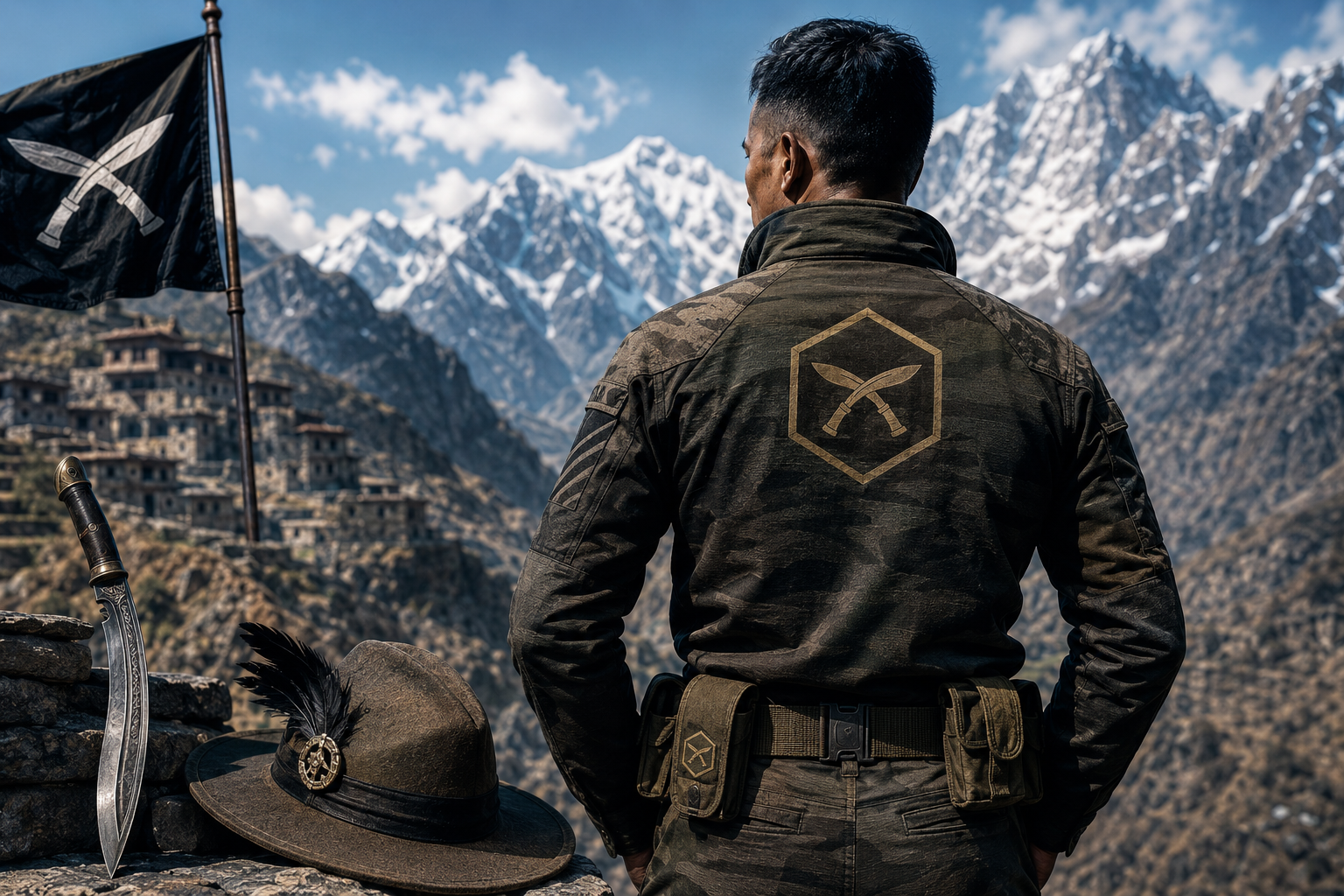
No account of the Gurkhas is complete without the Khukuri — the curved blade that became their signature weapon and cultural symbol.
The Khukuri's inward curve gives it unusual cutting efficiency. It's a tool as much as a weapon — used for clearing jungle, preparing food, and building shelter, as well as combat. In the hands of a Gurkha, it became something else: a symbol of identity.
To give someone your Khukuri is an act of deep trust. To draw it in battle is a commitment — Gurkha tradition holds that a Khukuri drawn must draw blood before it is sheathed again.
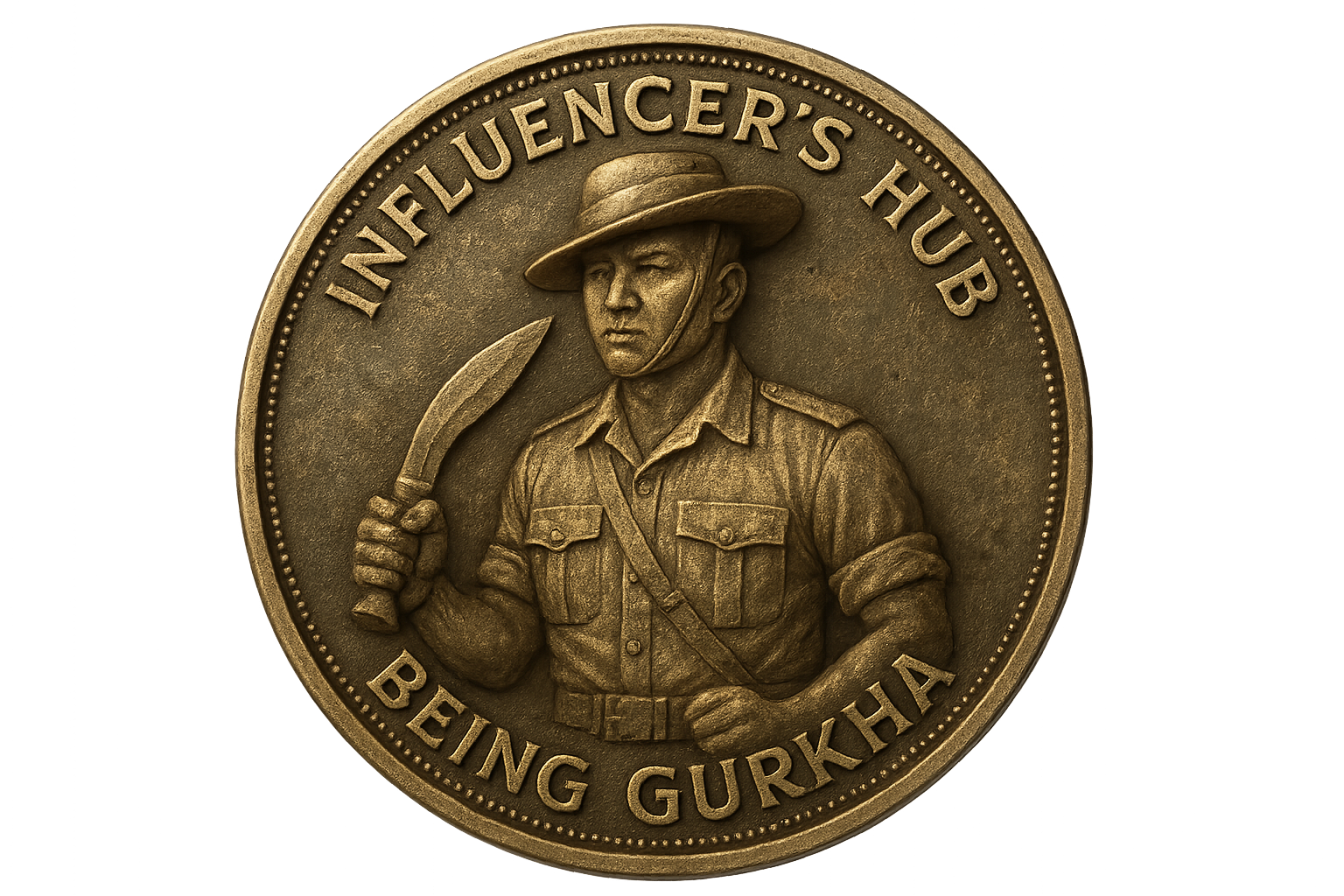
Being Gurkha uses the Khukuri as a core design element — not as decoration, but as symbol. A hexagonal Khukuri motif runs through our icon system: the blade inside a frame, contained power, controlled force.
Why This History Belongs in Fashion
Military heritage has always influenced streetwear. Cargo pockets, camo prints, surplus silhouettes — the connection between military design and civilian fashion is as old as fashion itself.
But most military-inspired clothing borrows from the aesthetic without engaging with the story.
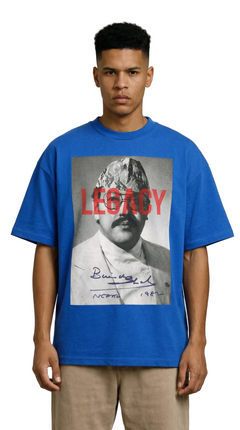
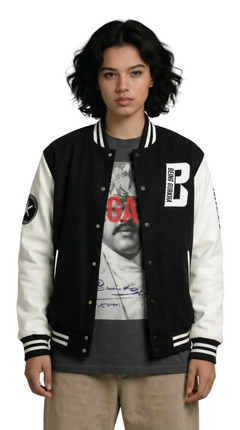
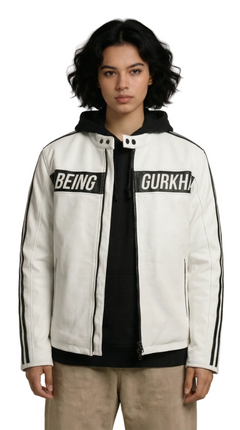
Being Gurkha does the opposite. The story is the product. The design choices — the colours, the symbols, the structure — are grounded in Gurkha history, Nepalese culture, and the values of the people who carried this legacy.
When you wear a Being Gurkha piece, you're wearing something that knows where it comes from.
That's the difference between heritage clothing and costume.