


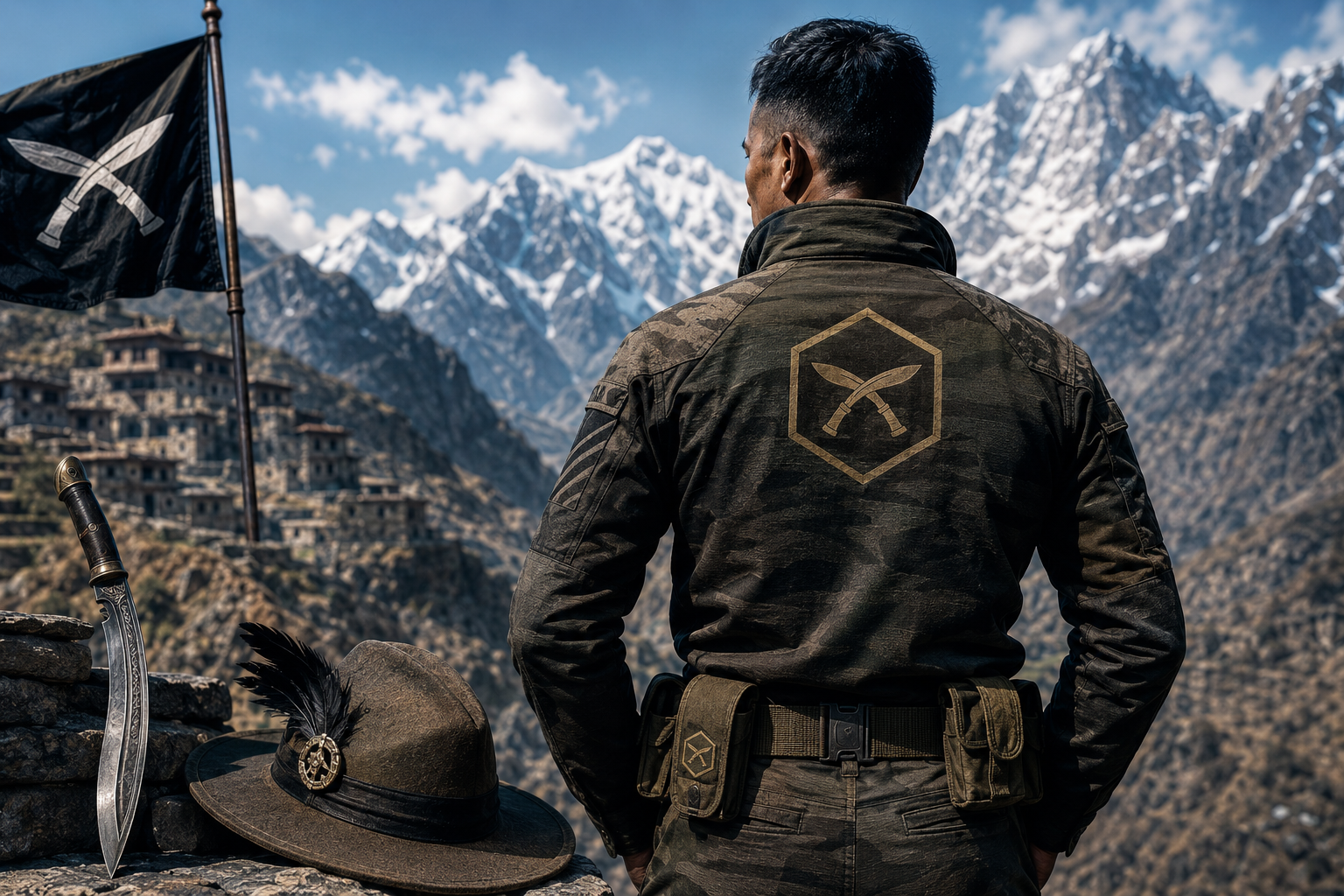
What Is Military Heritage Streetwear? (And Why Nepal Does It Better Than Anyone)
"Military heritage" is one of those terms that gets used to sell a lot of average product.
A camo print. An olive colourway. Some surplus-inspired pockets. The word "tactical" dropped into a product description.
That's not military heritage. That's military aesthetic.
There's a real difference — and it matters more than most brands will tell you.
What Military Heritage Actually Means
True military heritage clothing has a lineage. It draws design choices from actual military traditions — the functional requirements of combat, the cultural identity of a specific fighting force, the values embedded in their uniform and equipment.
It's clothing that carries context. Not just visual cues, but meaning.
The best example in the world right now isn't from Europe, America, or Japan — where most "heritage" brands originate. It's from Nepal.
The Gurkha Tradition: The World's Most Extraordinary Military Heritage
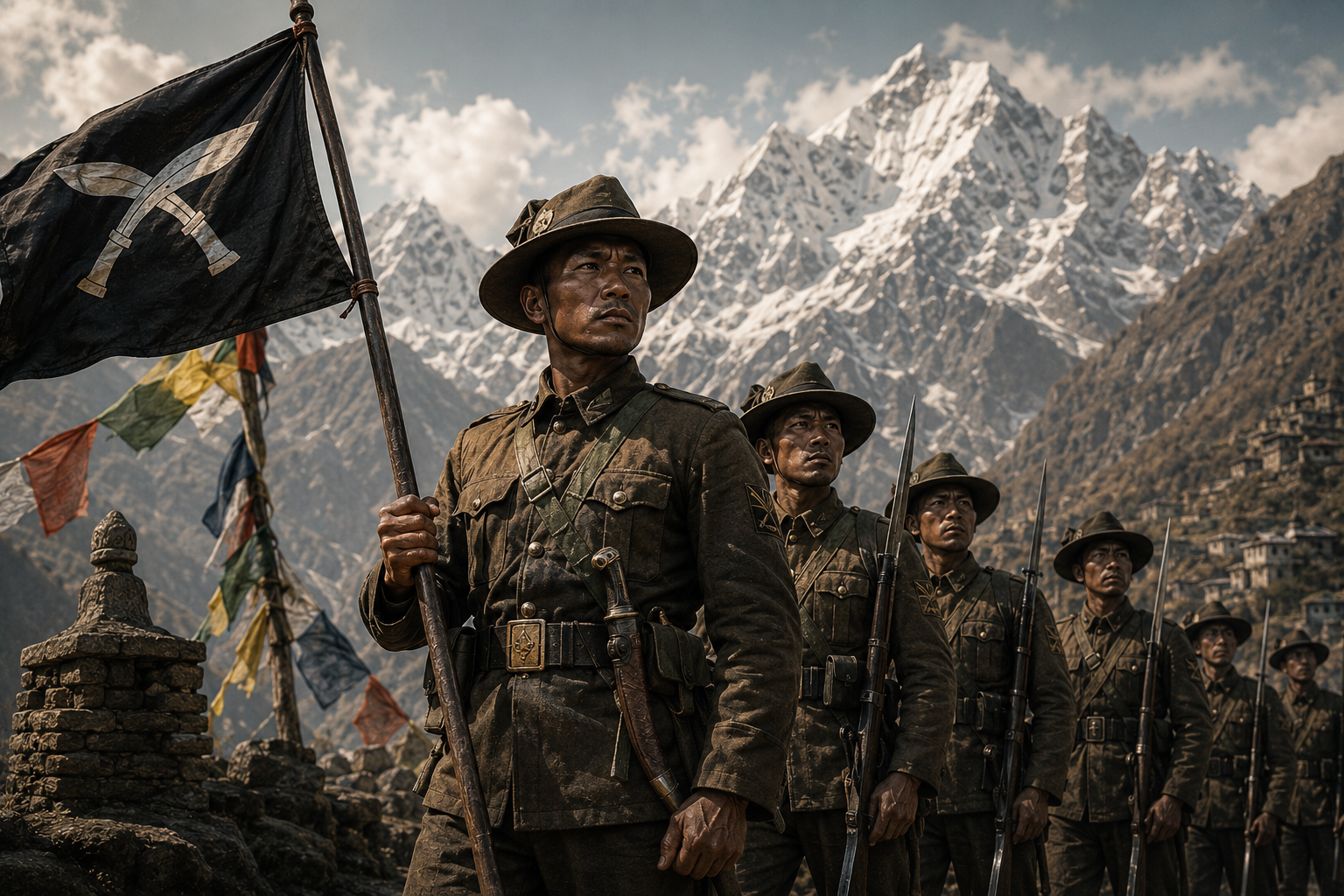
The Gurkhas — soldiers recruited from the hill tribes of Nepal — have served in the British Army continuously since 1816. In that time, they've accumulated a military record that no comparable unit anywhere on earth can match.
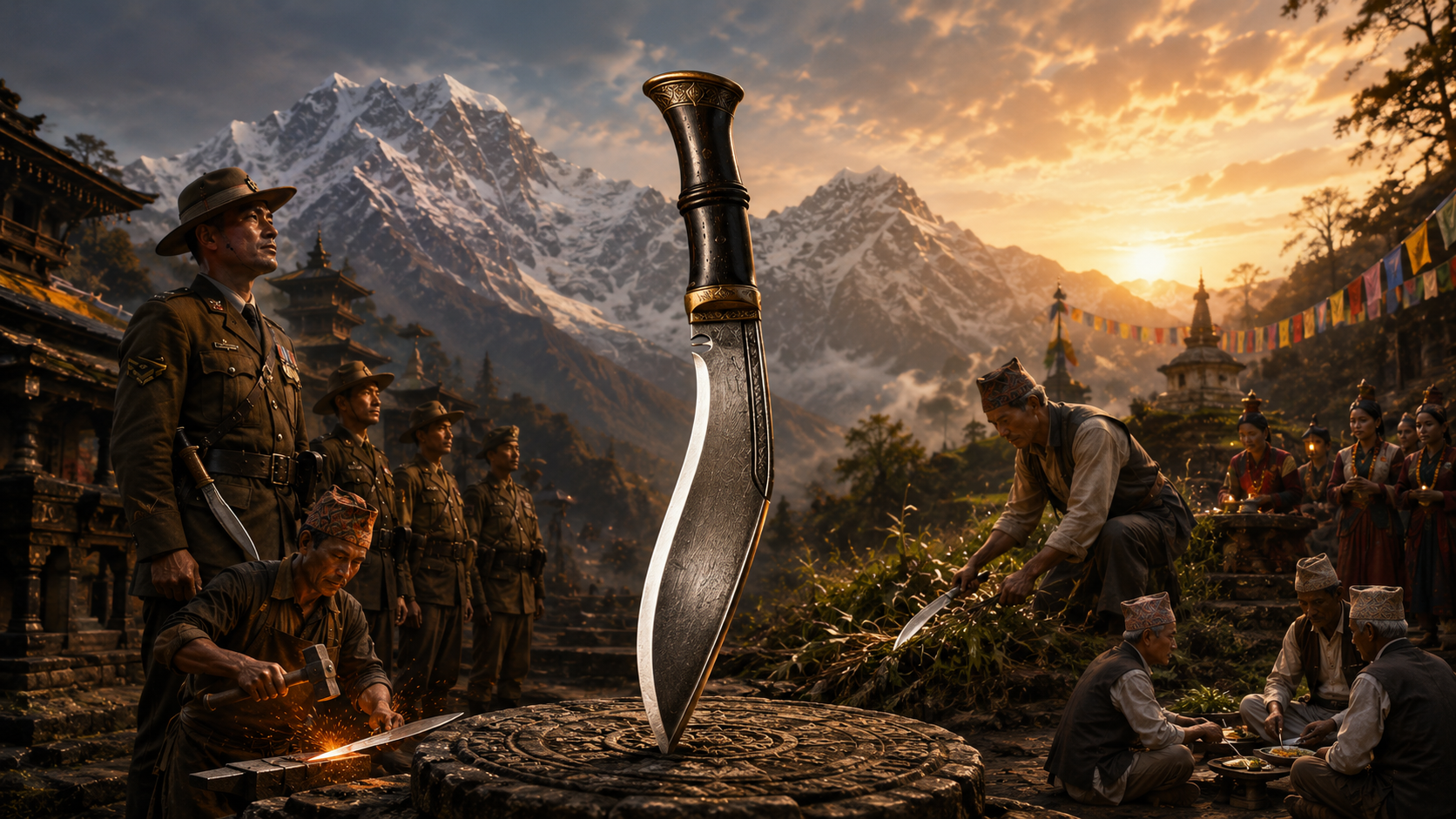
More Victoria Crosses than any other unit. Deployments across every major conflict of the last two centuries. A reputation so formidable that the sight of the Gurkha Khukuri has reportedly ended conflicts before a shot was fired.
But the Gurkha tradition isn't just military excellence. It's a cultural identity rooted in three specific values: Honesty. Loyalty. Bravery.
These aren't marketing words for the Gurkhas. They are operational principles — the code that defines how a Gurkha soldier fights, leads, and lives.
That's a heritage worth building on.
The Gap Most Brands Leave Open
When Western fashion discovered military heritage, it mined the obvious sources. British Army surplus. American workwear with military roots. Japanese revival brands reimagining WWII-era US uniform pieces.
All legitimate. All well-executed by the best practitioners.
But Nepal's extraordinary military story went untouched. No brand built on Gurkha heritage. No Nepalese-founded label claimed the name and the legacy it carried.
Being Gurkha was built to close that gap.
How We Translate Heritage Into Product
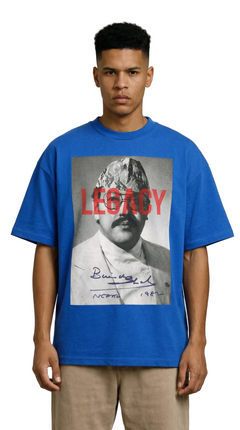
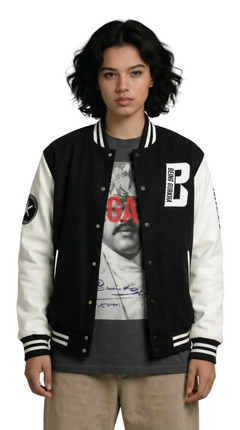
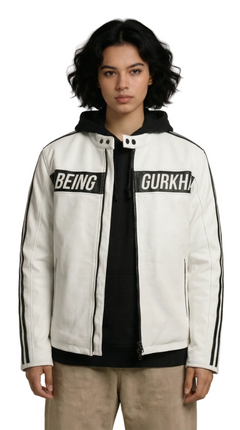
Being Gurkha doesn't use military heritage as decoration. Every design choice connects to something real.
The Khukuri motif. The curved blade that is the Gurkha's signature weapon and cultural symbol appears throughout our design system — in icon form, embedded in a hexagonal frame. The hexagon references both the precision of military engineering and the geometric strength of natural structures. The Khukuri inside the frame: contained power.
The colour system. Our core palette — near-black #07090a, khaki #c4aa72, and clean white — comes directly from Gurkha uniform history. Khaki itself has military origins; the Gurkhas operated in terrain-appropriate earth tones long before "tactical fashion" was a concept.
The Ridgeline Camo™ pattern. Our signature camo isn't borrowed from US Army woodland or British DPM. It's designed from scratch using Himalayan ridgelines and topographic contours as the visual source material. The pattern is literally a map of the terrain the Gurkhas came from.
The typography. Bebas Neue — all caps, clean, built for impact. Military communications don't whisper. Neither do we.
Why Nepal Does This Better Than Anyone
Military heritage is credible when the people building on it have a genuine claim to the story.
Being Gurkha is founded by Nepalese-heritage founders. We're not borrowing. We're inheriting.
That's the distinction the best heritage brands always have — Alpinestars built by people in the Alps, Red Wing built by workers who wore the boots. Authenticity isn't a branding exercise. It's a precondition.
The Gurkha tradition is one of the most powerful and underrepresented military heritages in the world of fashion. Being Gurkha is the brand that was always supposed to exist.