






Article: Honesty. Loyalty. Bravery. The Three Values That Built the Gurkha Legend
Honesty. Loyalty. Bravery. The Three Values That Built the Gurkha Legend
There's a phrase that appears in almost every account of the Gurkha soldier written by someone who served alongside them.
"You always knew where you stood."
Not a compliment about tactics or firepower. About character. About the fact that a Gurkha soldier said what he meant, did what he said, and didn't perform bravery — he simply was brave, because the alternative wasn't an option he recognised.
Three values explain the Gurkha legend. They're the same three values Being Gurkha is built on.
Honesty
In military contexts, honesty is sometimes treated as a luxury — the kind of thing you aspire to when the situation isn't critical.
For the Gurkha soldier, it was a precondition.
Gurkha units were known for direct reporting. When a Gurkha told his commanding officer that a position was indefensible, it was indefensible. When he said the enemy was at a specific strength, that was their strength. The British officers who served alongside Gurkha regiments repeatedly noted that Gurkha soldiers didn't modify their intelligence to tell commanders what they wanted to hear.
In the fog of war, accurate information saves lives. Honest soldiers — not just honest people, but soldiers who maintain truthfulness under pressure — are extraordinarily rare and extraordinarily valuable.
Being Gurkha carries this principle into how we operate as a brand. We don't oversell. We don't make promises we can't keep. When something isn't ready, we say so. When a product doesn't meet the standard, it doesn't ship.
That's not a customer service policy. It's the first value.
Loyalty
The Gurkha concept of loyalty is specific and demanding.
It is not obedience. Obedience is what you do when you're being watched. Loyalty is what you do when no one is watching — when the cost of staying is higher than the cost of leaving, and you stay anyway.
The most famous expression of Gurkha loyalty is the answer attributed to various Gurkha soldiers when asked why they continued fighting against overwhelming odds: "I gave my word."
That's the full explanation. Not strategy. Not calculation. Not fear of consequence. A promise made, a promise kept.
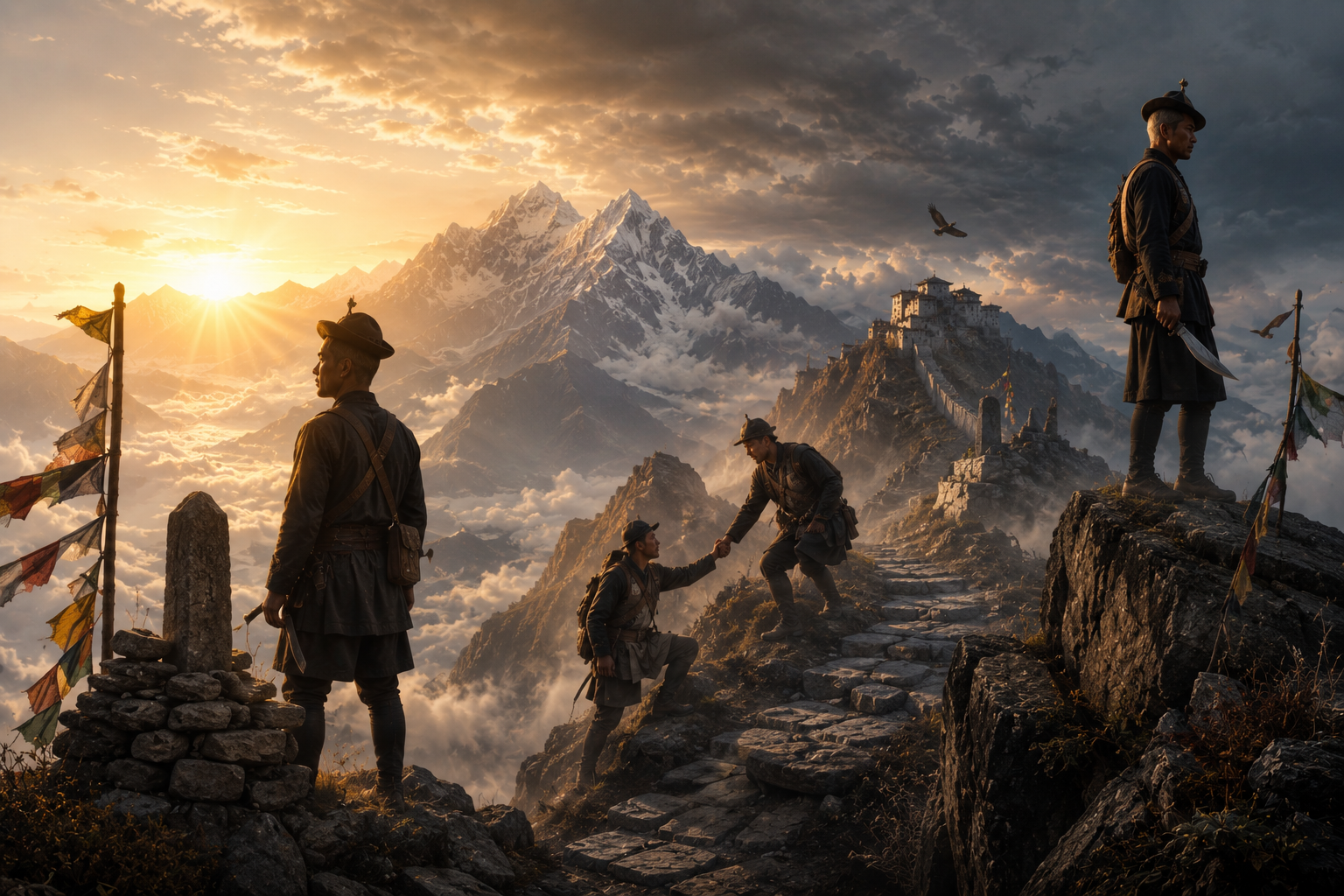
The Gurkha regiments maintained loyalty across 200 years, through multiple wars, through changes of government and empire, through conditions that would have broken most units. The loyalty wasn't to an abstraction — it was personal, specific, and non-negotiable.
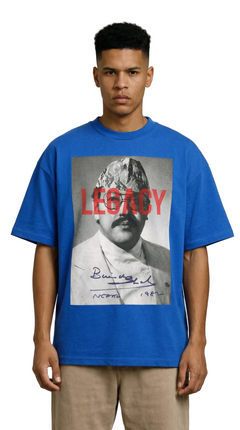
Being Gurkha's Legacy Club is built on this value. The ranks — from recruit to the highest tier — are earned through demonstrated loyalty to the community: repeat purchases, referrals, genuine engagement. You can't buy your way to the top. You earn it, the same way a Gurkha soldier earned his reputation.
The highest rank in the Legacy Club is not a discount tier. It's a recognition of who you are.
Bravery
Of the three values, bravery is the one most misunderstood.
Popular culture treats bravery as the absence of fear. The fearless soldier charging into battle, feeling nothing.
The Gurkha tradition understands it differently. Bravery is not the absence of fear. It is action in the presence of fear. The willingness to do what needs to be done despite — not instead of — the full weight of what it costs.
Field Marshal Sam Manekshaw's observation — "If a man says he is not afraid of dying, he is either lying or he is a Gurkha" — is often read as a compliment about fearlessness. It's actually more interesting than that. The implication is that a Gurkha has moved beyond the point where death is a relevant variable in his decision-making. Not because he doesn't value life, but because he has committed to something larger than his own survival.
That kind of bravery is not natural. It is trained, valued, and chosen — repeatedly, under pressure, in conditions that test whether you actually believe what you say you believe.
Being Gurkha asks the same of its community. Not literal bravery in a military sense. But the bravery to stand for something specific when the default is to stand for nothing. To choose quality over convenience. Heritage over hype. To wear a brand that asks you to know its story, not just its logo.
Why These Three Values Together
Honesty without loyalty is just criticism. Loyalty without honesty becomes complicity. Bravery without both is recklessness.
The three values only work together — the same way a Gurkha soldier's effectiveness depended on all three operating simultaneously. An honest soldier who wasn't loyal was useless. A loyal soldier who wasn't honest was dangerous. A brave soldier without honesty or loyalty was just unpredictable.
Together, they create something that sustained the Gurkha tradition for over two centuries, through every change in the world around them.
That's the foundation Being Gurkha is built on. Not because it's a good story — though it is — but because it's a good foundation.
A brand that actually lives these values doesn't need to talk about them constantly. The product speaks. The community demonstrates. The history proves.
We just have to be worthy of it.