


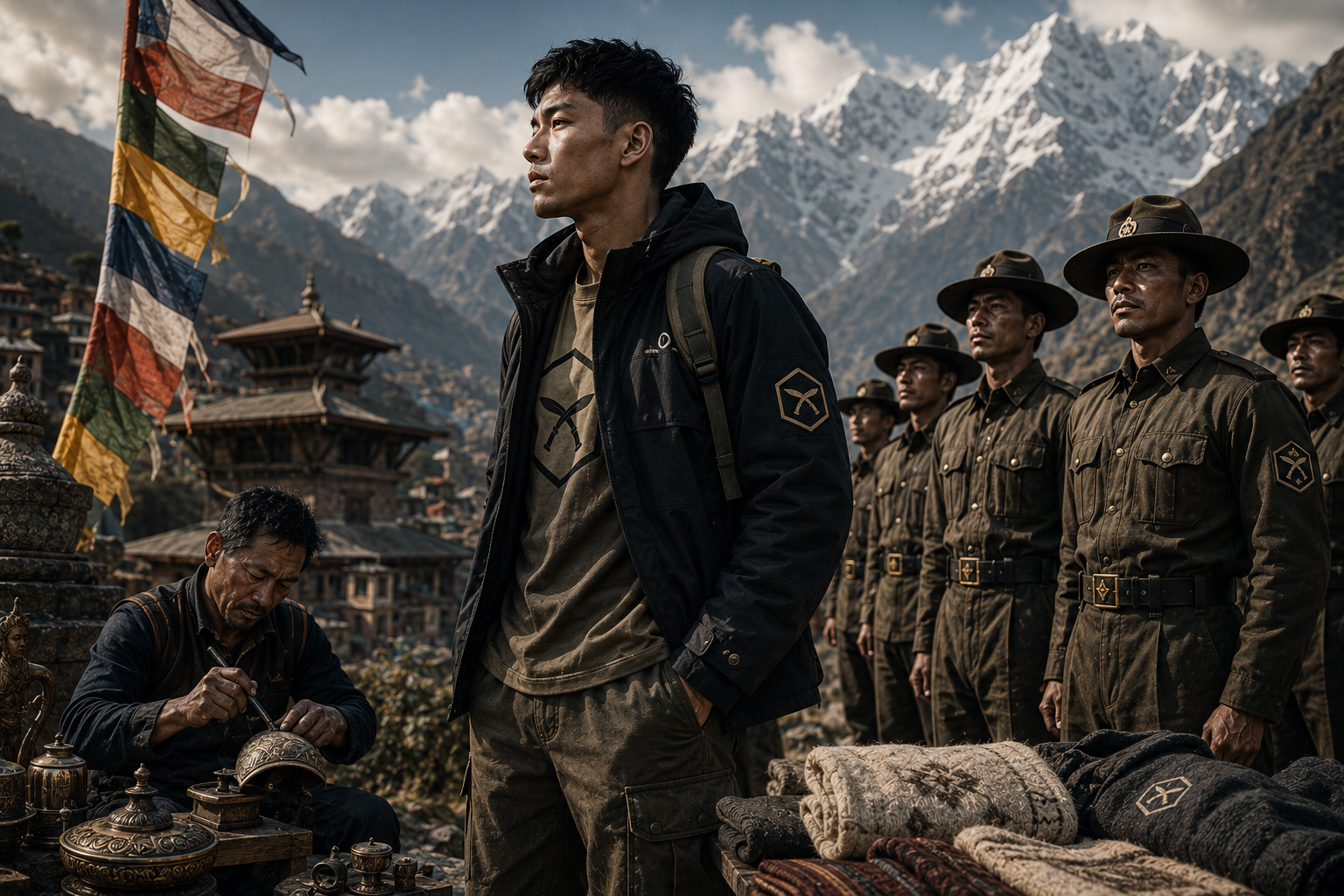
Why "Made in Nepal" Should Mean More in Fashion (And How Being Gurkha Is Changing That)
"Made in Nepal" currently means one of two things in the global fashion market.
Cheap pashminas sold to tourists. Or trekking gear.
Neither of them is wrong. Both of them are incomplete. And neither of them begins to represent what Nepal's cultural and aesthetic tradition actually contains.
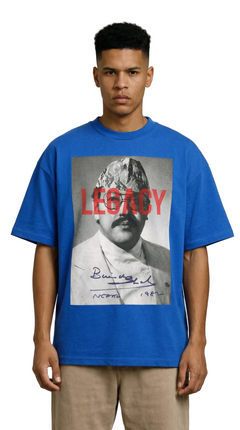
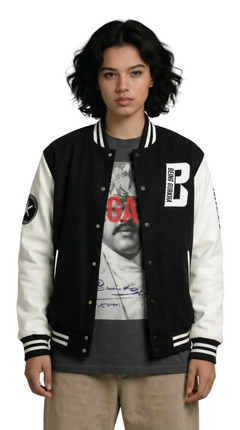
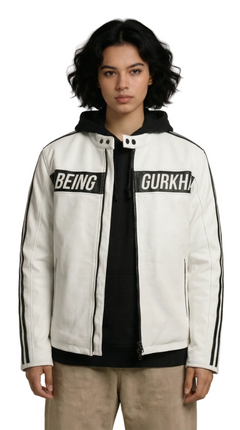
Being Gurkha is a Nepalese clothing brand built on the premise that Nepal deserves better representation in premium apparel. Here's why that matters — and why now is the moment for it.
The Gap in Global Fashion Representation
Every major cultural tradition with a powerful heritage has eventually produced a fashion brand that owns that story.
Japanese military surplus gave rise to brands like Neighborhood and Visvim — now globally respected as definitive expressions of Japanese workwear heritage. Scottish tweed culture produced houses like Harris Tweed and Johnstons of Elgin. American workwear built Red Wing, Carhartt, Filson.
In each case, a genuine cultural tradition became the foundation for a lasting fashion identity. Not as novelty or exoticism — as authentic expression.
Nepal has one of the most extraordinary cultural heritages in the world. Military legacy, craft traditions, philosophical depth, geographical mythology. The Himalayas are the most powerful landscape on earth. The Gurkha story is one of the most compelling military narratives in human history.
And yet: no premium Nepalese-heritage apparel brand has existed to claim that story.
Until now.
What Nepal Brings to Fashion
Nepal's contribution to global textile culture is often reduced to pashmina — the ultra-fine cashmere-blend fabric that became a mass-market export. But Nepal's craft tradition runs much deeper.
Nepalese metalwork, particularly in the Kathmandu Valley, has produced ceremonial and decorative objects of extraordinary quality for centuries. The geometric patterns found in traditional Nepalese architecture — the Newari lattice carvings, the mandala-based structural compositions — represent a sophisticated visual tradition that hasn't been properly explored by fashion.
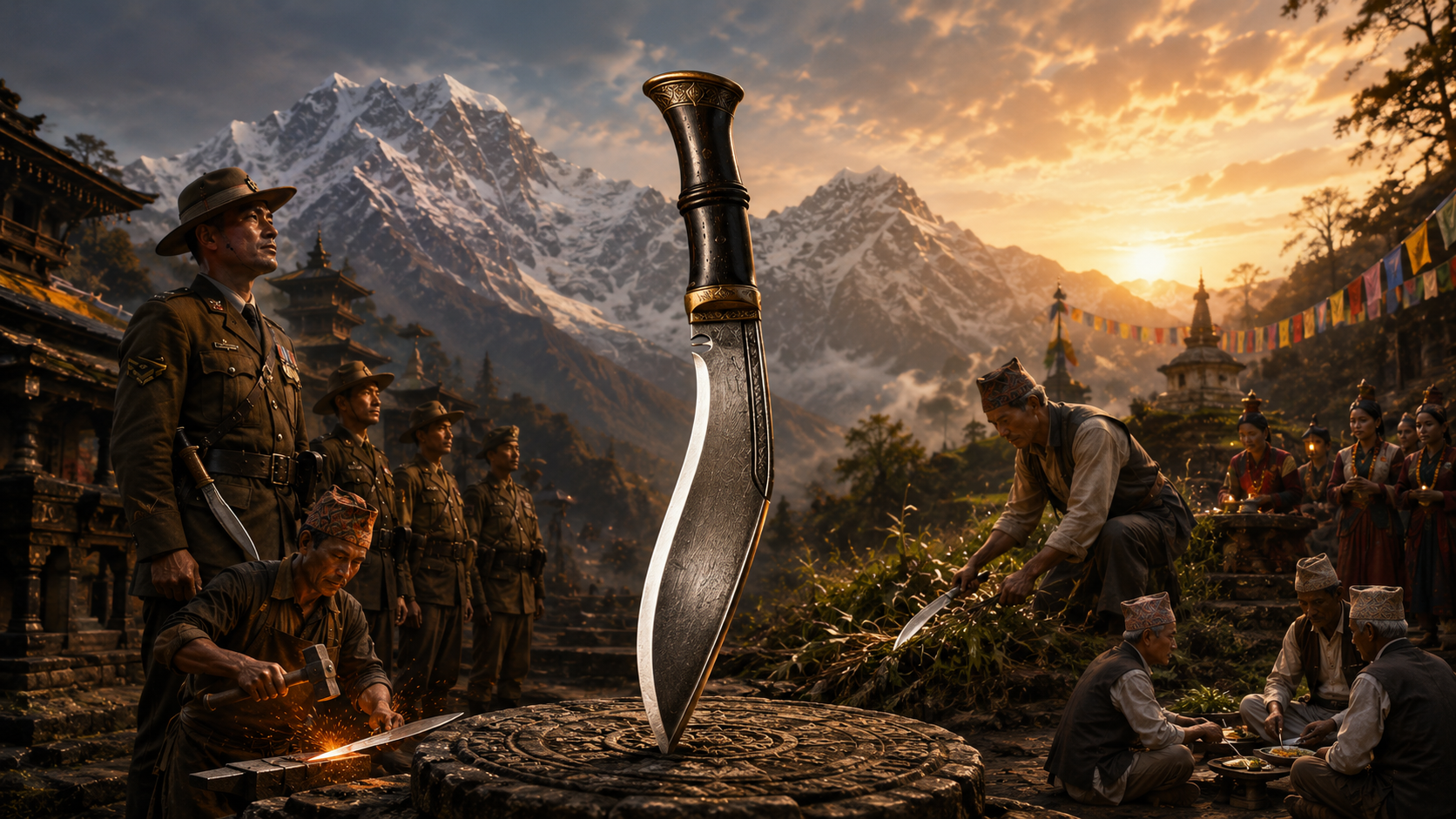
The Gurkha uniform tradition itself contains aesthetic elements that are immediately relevant to contemporary menswear: the khaki earth tones, the functional-first construction, the relationship between utility and dignity in how a soldier presents himself.
Being Gurkha draws on all of this. Not to appropriate or archive it — to extend it into a contemporary context where it can be worn and understood.
The Values Difference
Most brands claim values. Most of those claims are not load-bearing.
Being Gurkha's values — Honesty, Loyalty, Bravery — come from a specific cultural context. They are the operating principles of the Gurkha soldier. They have been demonstrated across two centuries of service under the most extreme conditions human beings face.
That's not a brand positioning exercise. It's an inheritance.
When we say "Built for the Loyal. Earned by the Brave." — we're not writing copy. We're translating a two-hundred-year-old tradition into language a contemporary audience can act on.
Our Legacy Club — the rank-based loyalty community we've built — uses the same principle. Rank is not given. It is earned through commitment, through action, through demonstrated loyalty to the community. Every rank has a name drawn from Gurkha military tradition. The higher you climb, the more you've earned.
That's Nepal's value system expressed in a modern brand structure.
Why This Moment Matters
The global appetite for brands with genuine story — not manufactured narrative, but actual heritage — has never been higher.
Consumers are becoming more sophisticated. The fast fashion model is losing cultural credibility. People want to know where their clothes come from, what they mean, who made them and why.
Nepal's story has been waiting for this moment.
Being Gurkha is the brand that answers the question: what does a premium Nepalese apparel brand look like when it's built by people who know the story from the inside?
It looks like this.